
The Metabolic Crisis of High Achievers
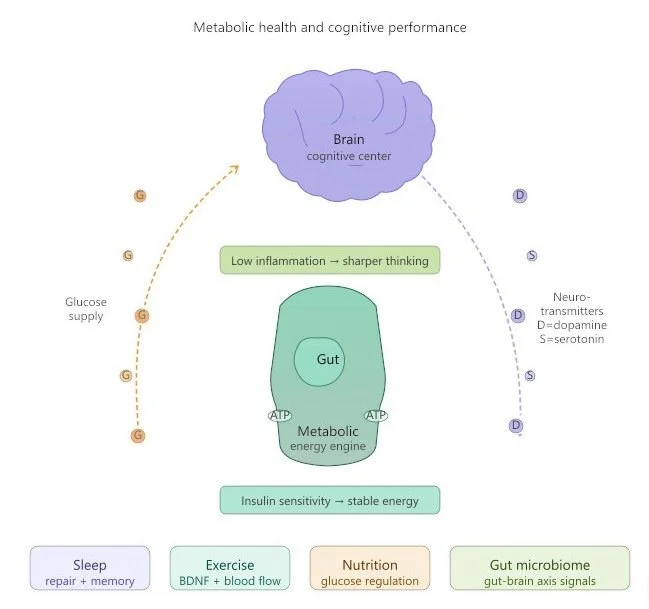
Business owners, founders, entrepreneurs and executives are often celebrated for their drive, resilience, and relentless pursuit of success. They build companies, lead organizations, and navigate uncertainty at levels most people never experience.
But beneath the surface of many successful leaders lies a quiet and growing crisis.
Across industries, high achievers are reporting increasing levels of fatigue, cognitive decline, stress intolerance, sleep disruption, and metabolic disease. These symptoms are often dismissed as inevitable consequences of success or normal aging progression, but they reflect a deeper biological reality.
Many high performers are experiencing a metabolic crisis.
This crisis is not simply about burnout or exhaustion. It is a systemic breakdown in the biological systems responsible for energy production, stress regulation, and cognitive performance.
Understanding this crisis is essential for leaders who want to sustain performance, protect their health, and continue leading at the highest levels.
The Hidden Cost of High Achievement
High performers often operate in environments that place enormous demands on their biology.
They regularly face:
• intense cognitive workloads
• long working hours
• constant decision-making
• financial and organizational pressure
• sleep deprivation
• irregular eating patterns
• chronic stress
These conditions activate the body’s stress response repeatedly throughout the day.
While short bursts of stress can improve focus and performance, chronic stress places sustained pressure on metabolic systems.
Over time, this pressure begins to disrupt the body’s ability to produce and regulate energy.
Energy: The Currency of Performance
Every aspect of leadership depends on energy.
The brain requires massive amounts of metabolic fuel to support:
• complex decision-making
• strategic thinking
• emotional regulation
• communication
• problem solving
If energy production is compromised, performance inevitably declines.
Leaders are likely to experience:
• slower thinking
• reduced creativity
• poor concentration
• emotional volatility
• declining productivity
Unfortunately, many business owners, founders, entrepreneurs, and executives, attempt to solve these issues with stimulants, longer work hours, or increased pressure on themselves.
These strategies often worsen the underlying metabolic problem.
The Biological Systems Under Pressure
Several biological systems are particularly vulnerable to the demands placed on high performers.
The Stress Response System
The hypothalamic-pituitary-adrenal axis regulates the body’s response to stress.
Chronic activation of this system leads to elevated cortisol levels, which can disrupt metabolism, sleep, and immune function.
The Nervous System
Constant stimulation can keep the nervous system in a persistent state of alertness.
This state reduces the body’s ability to recover and repair.
The Immune System
Chronic stress increases inflammatory signaling, which interferes with metabolic processes.
Mitochondrial Function
Mitochondria produce cellular energy. Stress and inflammation can impair mitochondrial efficiency.
When these systems begin to falter, leaders experience the symptoms commonly associated with burnout.
Early Warning Signs of Metabolic Dysfunction
The metabolic crisis often begins subtly.
Early warning signs include:
• fatigue despite adequate sleep
• difficulty concentrating
• afternoon energy crashes
• irritability or mood swings
• poor stress tolerance
• digestive disturbances
• disrupted sleep patterns
Many leaders ignore these signals and continue pushing forward.
However, these symptoms often represent the first stages of metabolic dysregulation.
The Role of Inflammation
One of the most overlooked contributors to metabolic dysfunction in high performers is chronic low-grade inflammation. One causal driver of chronic low-grade inflammation is glycan degradation. By activating immune responses, low-grade inflammation impacts other biological pathways.
In addition, inflammation can be triggered by several factors common in entrepreneurial lifestyles:
• poor diet
• chronic stress
• sleep deprivation
• sedentary work
• environmental toxins
Inflammation interferes with insulin signaling, hormone balance, and mitochondrial function.
As inflammation increases, energy production declines.
This creates a biological environment where fatigue and brain fog become persistent.
Blood Sugar Instability
Entrepreneurs often rely on quick meals, caffeine, and irregular eating patterns.
These habits can destabilize blood glucose regulation.
When blood glucose fluctuates dramatically, leaders may experience:
• mental fog
• irritability
• energy crashes
• reduced cognitive performance
Stable blood glucose is essential for sustained brain function.
The Entrepreneurial Burnout Trap
Many high achievers fall into a cycle that gradually worsens metabolic dysfunction.
The cycle often looks like this:
High ambition and intense work demands
Sleep disruption and stress accumulation
Energy depletion and brain fog
Increased reliance on caffeine or stimulants
Further metabolic damage
This cycle can persist for years before a major health issue forces change.
Why Traditional Health Advice Fails Leaders
Traditional wellness advice often focuses on generalized recommendations such as exercise and balanced diets.
While these habits are important, they do not address the deeper biological imbalances many leaders experience.
High performers often require more sophisticated approaches, including:
• metabolic testing
• personalized nutrition strategies
• nervous system regulation
• targeted mitochondrial support
Without identifying the underlying causes of metabolic dysfunction, solutions remain incomplete.
The Metabolic Leadership Perspective
Metabolic Leadership recognizes that performance begins with biological health.
Instead of focusing solely on productivity strategies, it emphasizes restoring the body’s energy systems.
Key priorities include:
• stabilizing blood glucose
• reducing inflammation
• supporting mitochondrial function
• improving sleep quality
• regulating the nervous system
By addressing these factors, leaders can restore energy and cognitive clarity.
Preventing the Metabolic Crisis
Preventing metabolic dysfunction requires intentional leadership over one’s biology.
This includes:
• prioritizing sleep and recovery
• maintaining stable nutrition patterns
• managing stress proactively
• incorporating regular movement
• monitoring metabolic biomarkers
When leaders treat their health as a strategic asset rather than an afterthought, they gain a significant performance advantage.
Final Thoughts
The metabolic crisis among high achievers is becoming increasingly visible.
Business owners, founders, entrepreneurs and executives operate in environments that demand extraordinary performance, but without metabolic health, sustained success becomes difficult.
Recognizing and addressing metabolic dysfunction allows leaders to protect their energy, preserve cognitive clarity, and maintain resilience under pressure.
Ultimately, the leaders who thrive long-term will be those who understand and support the biological systems that power their success.