
What is Metabolic Leadership? The Biology of High Performance
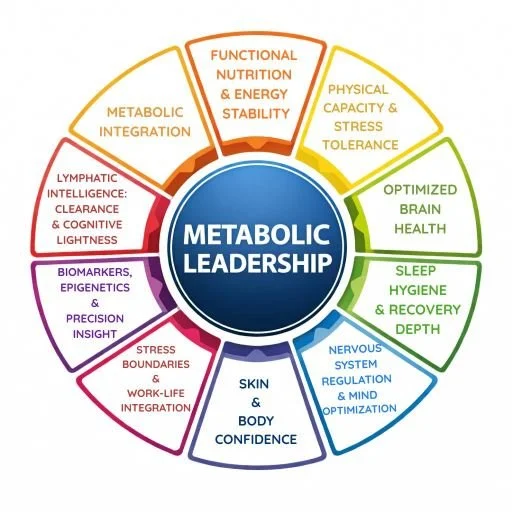
What Is Metabolic Leadership?
The Biology of High Performance
In today’s world of relentless demands, rapid decision-making, and constant pressure, business owners, founder, entrepreneurs, solopreneurs, and executives are expected to perform at extraordinarily high levels. Leaders manage teams, build companies, raise capital, run businesses, and make decisions that influence thousands of lives. Yet one fundamental factor often goes overlooked in leadership development: biology.
Behind every strategic decision, innovative idea, or bold move in business lies a biological engine that powers performance — the human body. The brain requires energy, the nervous system must regulate stress, and the metabolic systems must sustain long-term productivity. When these systems function optimally, leaders experience clarity, resilience, and sustained energy. When they falter, the consequences can include fatigue, brain fog, burnout, and declining performance.
This is where the concept of Metabolic Leadership emerges. Metabolic Leadership recognizes that the foundation of elite leadership is biological health, specifically the metabolic systems that produce energy and regulate cognitive function.
Understanding this principle is transforming how high-performing entrepreneurs and executives approach success.
The Hidden Biological Foundation of Leadership
Most leadership conversations focus on strategy, management skills, communication, and mindset. These are undeniably important, but they all rely on something deeper: the biological capacity of the brain and body to sustain high-level performance.
Every moment of leadership requires enormous metabolic demand. Consider what a typical executive day requires:
Complex decision making
Strategic thinking
Emotional regulation
Negotiation and persuasion
Creativity and innovation
Long work hours and stress tolerance
All of these activities depend on cellular energy production.
The brain alone consumes approximately 20% of the body’s energy, despite representing only about 2% of body weight. For leaders who operate in high-pressure environments, this demand is even greater.
If the body’s metabolic systems cannot meet this demand, performance inevitably declines.
What Is Metabolism?
To understand Metabolic Leadership, we must first understand metabolism.
Metabolism refers to the biochemical processes that convert nutrients into energy and maintain cellular function. These processes occur continuously in every cell in the body.
Metabolism controls:
Energy production
Brain function
Hormone regulation
Immune system activity
Stress responses
Inflammation levels
Cognitive performance
For business owners, founders, entrepreneurs, solopreneurs, and executives, metabolism determines whether they experience:
Sustained energy or chronic fatigue
Clear thinking or brain fog
Resilience or burnout
In other words, metabolism is the biological foundation of leadership performance.
The Rise of the Metabolic Crisis
Modern business culture often celebrates extreme productivity and long hours. While dedication is admirable, these patterns frequently create an environment that undermines metabolic health.
Business owners, founders, entrepreneurs, solopreneurs, and executives commonly experience:
chronic stress
sleep deprivation
irregular meals
excessive caffeine
sedentary work patterns
constant digital stimulation
Over time, these stressors disrupt metabolic balance.
The consequences can include:
chronic inflammation
hormone imbalances
insulin resistance
mitochondrial dysfunction
nervous system dysregulation
These biological disruptions gradually reduce the body’s ability to produce energy efficiently.
The result is a metabolic crisis among high achievers.
Signs of Metabolic Dysfunction in Leaders
Many high-performing professionals dismiss early warning signs as normal consequences of success. However, these symptoms often reflect deeper metabolic imbalance.
Common warning signs include:
persistent fatigue despite adequate sleep
brain fog and difficulty concentrating
afternoon energy crashes
irritability or mood swings
declining motivation
sleep disturbances
unexplained weight gain
digestive issues
reduced resilience to stress
These symptoms may appear subtle at first, but they often indicate the beginning stages of metabolic dysfunction.
If left unaddressed, they can progress into more serious health conditions, including metabolic syndrome, cardiovascular disease, and chronic inflammatory disorders.
The Brain-Energy Connection
One of the most critical aspects of Metabolic Leadership is the relationship between metabolism and brain performance.
The brain relies on a constant supply of:
glucose
oxygen
nutrients
neurotransmitter precursors
When metabolic systems function efficiently, the brain receives the fuel required for high-level cognition.
However, when metabolism becomes dysregulated, the brain experiences an energy deficit.
This deficit manifests as:
slower thinking
reduced creativity
poor decision-making
decreased focus
For leaders responsible for complex decisions, these changes can significantly impact business outcomes.
The Role of Mitochondria
At the cellular level, energy production occurs in specialized structures known as mitochondria.
Often called the “power plants” of cells, mitochondria convert nutrients into ATP, the energy currency of the body.
Healthy mitochondria support:
mental clarity
physical stamina
stress resilience
immune function
However, chronic stress, poor nutrition, and inflammation can damage mitochondrial function.
When mitochondrial efficiency declines, energy production drops — even if a person consumes sufficient calories.
This is one reason many entrepreneurs experience fatigue despite high food intake or caffeine consumption.
Stress and Metabolic Collapse
Stress is an unavoidable part of leadership. The challenge arises when stress becomes chronic.
When the body perceives stress, it releases hormones such as cortisol and adrenaline. These hormones prepare the body for short-term survival.
However, prolonged activation of the stress response can disrupt metabolic systems.
Chronic stress can lead to:
blood sugar instability
increased inflammation
hormonal imbalance
impaired digestion
disrupted sleep
Over time, these disruptions create a cascade of metabolic dysfunction.
The result is a gradual decline in energy and cognitive capacity.
The Entrepreneurial Burnout Cycle
Many entrepreneurs unknowingly enter a cycle that gradually depletes metabolic health.
The cycle often looks like this:
High ambition and intense work
Chronic stress and sleep disruption
Metabolic strain and energy depletion
Reduced cognitive clarity
Increased reliance on stimulants
Further metabolic damage
Without intervention, this cycle can continue for years.
Eventually, leaders may experience severe burnout, health crises, or declining business performance.
Introducing the Metabolic Leadership Framework
Metabolic Leadership offers a new paradigm for sustainable success.
Instead of focusing solely on productivity strategies, it prioritizes biological optimization.
The Metabolic Leadership Framework includes several phases, including:
Metabolic Reset
The first phase focuses on restoring balance to stressed metabolic systems.
This may involve:
reducing inflammation
stabilizing blood glucose
improving sleep quality
regulating stress hormones
restoring digestive health
Metabolic Optimization
Once the body is stabilized, the next phase enhances energy production and resilience.
This phase often includes:
mitochondrial support
targeted nutrition
nervous system regulation
cognitive performance strategies
Metabolic Mastery
This phase focuses on long-term performance and longevity.
This stage supports:
peak brain function
metabolic resilience
sustainable leadership capacity
Together, these phases create a foundation for enduring success.
Why Elite Leaders Are Turning to Biological Optimization
In recent years, many high-performing leaders have begun recognizing the importance of metabolic health.
Elite founders, business owners, entrepreneurs, executives, and investors increasingly prioritize:
biomarkers testing
metabolic diagnostics
precision nutrition
stress resilience strategies
These approaches allow leaders to identify biological imbalances before they develop into serious health issues.
By addressing these factors early, leaders can sustain high performance for decades.
The Role of Precision Health Testing
One of the most powerful tools in Metabolic Leadership is advanced diagnostic testing.
Comprehensive biomarker testing can reveal insights into:
inflammation levels
metabolic efficiency
hormone balance
cardiovascular risk
nutrient deficiencies
gut health
These insights allow for personalized interventions that optimize health and performance.
Rather than relying on generic wellness advice, leaders can implement strategies tailored to their unique biology.
The Future of Leadership
As the demands of modern business continue to intensify, traditional leadership models may prove insufficient.
The leaders who thrive in the future will likely be those who understand and optimize their biological systems.
Metabolic Leadership represents a shift toward a more integrated view of performance — one that recognizes the essential connection between health and success.
When leaders invest in their metabolic health, they gain access to a powerful advantage:
sustained energy
sharper cognitive function
improved resilience
greater longevity
In a competitive world, these benefits can make the difference between temporary success and enduring leadership.
Final Thoughts
Leadership is often viewed as a matter of strategy, vision, and determination. Yet beneath these qualities lies a biological engine that powers every decision and action.
Metabolic Leadership acknowledges this reality. It recognizes that sustainable success requires more than motivation and discipline — it requires biological optimization.
By supporting the metabolic systems that generate energy and regulate cognitive function, entrepreneurs and executives can unlock their highest levels of performance.
The future of leadership will not be defined solely by intelligence or ambition.
It will be defined by those who understand and master the biology of high performance.